


 Back
Back




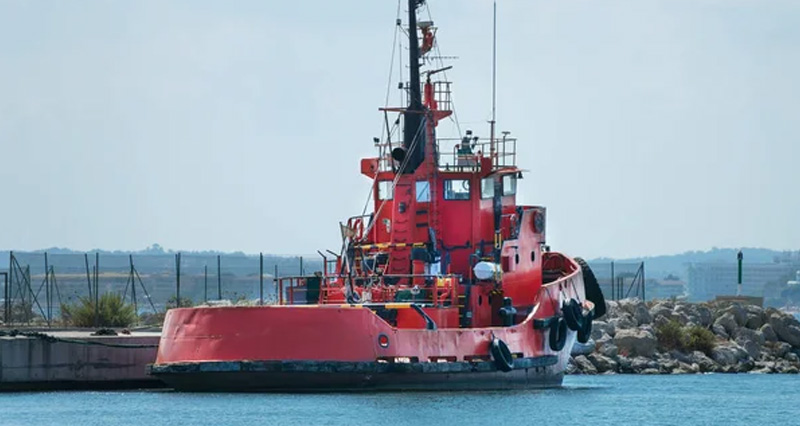
In the maritime sector, mechanical reliability is an absolute requirement. A breakdown on land might be an inconvenience, but at sea it can become a serious risk for the vessel, its crew, and its passengers. Cardan drive shafts are among the most critical components in this regard: responsible for transmitting power from the engine to the propeller, they operate under extreme conditions that accelerate wear and increase the likelihood of failure.
That is why a preventive maintenance program is not just advisable — it is absolutely essential. At OHP Service, we know from experience that a well-maintained cardan shaft guarantees safety, energy efficiency, and peace of mind while navigating.
Why Preventive Maintenance Is Crucial
Cardan shafts in vessels are exposed to far harsher conditions than in many other industries:
- Highly corrosive environments, due to saltwater and constant humidity.
- Heavy loads and prolonged vibrations, putting continuous stress on bearings and joints.
- Temperature changes, which affect lubrication and material expansion.
- Limited access to repairs at sea, where failures can have immediate and serious consequences.
Well-planned preventive maintenance allows anomalies to be detected before they become critical failures, thereby avoiding forced downtime and unnecessary risks.
Key Steps for Effective Preventive Maintenance
To ensure the reliability of cardan shafts in vessels, it is important to follow these essential steps:
- Regular inspections: visually check components for signs of wear, corrosion, or lubricant leaks.
- Proper lubrication: apply recommended greases and oils, resistant to salinity and compatible with cardan shaft materials.
- Alignment verification: ensure the cardan and coupled shafts are correctly aligned to prevent vibrations and overloads.
- Replacement of critical components: bearings, joints, and crosses should be replaced before reaching the end of their service life.
- Maintenance records and traceability: keep a detailed history of interventions to anticipate future needs.
The Importance of Authorized Workshops
In the marine environment, where safety is paramount, maintenance and repairs of cardan shafts must only be performed by the original manufacturer or an authorized workshop.
Using non-certified facilities involves immediate risks such as:
- Loss of manufacturer warranties.
- Legal liabilities, in case of accidents caused by improper repairs.
- Lack of traceability for replaced components.
- Higher probability of premature failure, with severe consequences at sea.
When it comes to maritime safety — especially with human lives at stake — cutting costs is not an option. Verifying that you are working with an authorized partner is the only way to ensure true reliability for your vessel.
OHP Service: Experts in Marine Maintenance
At OHP Service, we bring our expertise to shipyards, fleet operators, and yacht owners to keep their vessels in optimal condition:
- Certified inspections and maintenance, carried out by teams specialized in marine environments.
- Cardan shaft reconditioning processes, restoring components to their original reliability.
- Certified components and spare parts, resistant to corrosion and manufactured under international standards.
- Tailored technical support, adapted to the specific needs of each vessel.
Our mission is clear: to minimize the risk of breakdowns at sea and ensure safe and efficient navigation.
Conclusion
Preventive maintenance of cardan drive shafts is not an expense — it is an investment in safety, efficiency, and durability. At sea, where there is no room for error, keeping cardan shafts in perfect condition can mean the difference between a smooth journey and a serious emergency.
At OHP Service, we work under the highest quality standards and the strictest certifications to ensure that every vessel — from leisure yachts to professional ships — sails with the confidence of having components maintained by an authorized partner.
Because at sea, prevention is not optional: it is the key to protecting lives and ensuring the success of every voyage.